Barcelona’s success as a tourist destination has only come about in recent times – in fact since the city hosted the Olympic Games in 1992. However it has not been all plain sailing. This article discusses the key factors associated with transforming Barcelona from a tourism backwater to the twelfth most popular city destination in the world, and the fifth most popular in Europe, in less than 20 years. It briefly illustrates significant events in Barcelona’s history, discusses urban regeneration and development and explains how the city overcame difficulties after the Games, particularly in terms of the over-supply of accommodation. The significant impact that a well-organised, well-resourced and dynamically-led Olympic delivery organisation can have on the success of the Games is also illustrated.

Barcelona is often held up internationally as a prime example of how a host destination can harness the global attention associated with hosting the Olympic Games to provide a step-change in their tourism economy. However, while hosting the Olympic Games did indeed provide a strong catalyst for this transformation, there were a number of other factors that were equally important both before and after 1992.
The 1992 Olympic Games had an enormous impact on urban development in Barcelona, transforming it from an industrial city to one than combines industry with art, culture and commerce. This was achieved through the amendment and application of a previously proposed ambitious urban regeneration plan which included improvements to the city’s transport infrastructure, public services and amenities as well as Olympic-related facilities.
According to Pere Durán:

Historic buildings in the Gothic Quarter and on Montjuic Mountain were restored, while world famous architects were invited to design new buildings. For example, Santiago Calatrava designed the Montjuic Telecommunications Tower, Vittorio Gregotti designed the new Montjuic Stadium and I M Pei designed the International Trade Centre at the port. This development was undertaken not just to support the staging of the Olympics, but for the city itself, with one eye on it being transformed into a future business and tourism destination.
As well as ensuring the success of the Games, the focus of the regeneration work was on determining where the long-term benefits could be derived from the funds invested. As Ferran Brunet, researcher for the Centre of Olympic Studies explains:
Central to the success of any Olympics is the host’s Olympic Organisation Committee. In Barcelona, the organisation of the Games was led by the COOB (the Barcelona Olympic Organiser Committee). Granted considerable powers and a significant budget, the work of the Committee was another key success factor.
Miguel Botella points out in his book on the success of the Barcelona Olympics the significant impact that a well-organised, well-resourced and dynamically-led Olympic delivery organisation such as COOB can have on delivering a successful Games. The outputs delivered by COOB that Botella highlights as being of particular significance include:
It became clear that a large majority of the journalists had not visited Barcelona before and did not have high expectations of the city. There were therefore surprised by its cultured and cosmopolitan nature and the celebratory atmosphere created by residents – the city itself became the star of the Games. Whilst it could be said that the host city and its culture is the focus of attention at all Olympics, the situation in 1992 was quite unusual: it could be considered that Barcelona itself upstaged Olympic events, but on the other hand the Olympics created modern Barcelona.
The local media, after years of being sceptical as to whether the Games could be staged in the city, also decided to wholeheartedly support the Olympics.
The net result of these factors was that, after the Games, Barcelona was on the tourist map of hundreds of thousands, if not millions, of people around the world who, until then, did not have any idea of its existence. The city was thought of as one of Europe’s ‘best hidden secrets’. It was vibrant and modern with an extraordinary architecture, a high level of gastronomy and beaches accessible by underground. It was considered to be just a matter of time before Barcelona would become an attractive tourist destination and, when it did, everyone concluded that this was solely due to hosting the Olympics.

The impact of the Barcelona Olympics was considerable, especially on the hotel sector. In 1990 Barcelona had a total of 118 hotels, between them providing 10,265 rooms and a total of 18,569 beds. By 1992 the number of hotels had risen to 148, with 13,352 rooms and a total of 25,055 beds, in the expectation that there would be a boom in tourism during and after the games. However, hotels that had an average annual occupancy of 80% before the Olympic Games, now found that they had less than 50% occupancy. This, in turn, caused prices to fall with the very real prospect that the city would fade back into obscurity.
This sudden downturn in the tourism market led to a process of reflection which proved to be pivotal to the future of the city. Although the first meetings between Barcelona’s City Hall (represented by the Patronat Municipal de Turisme) and the Official Chamber of Commerce, Industry and Navigation (represented by its Tourism Committee), to consider the city’s future as a tourist centre were held in 1987, it was not until the end of 1993 that the Turisme de Barcelona consortium was formed. This proved to be a turning point.
Turisme de Barcelona is a combination of public and private sector interests. Its General Council is presided over by the Mayor of Barcelona, while its Executive Committee is headed by the president of the Chamber of Commerce. The organisation aims to bring together all the public and private bodies with an interest in the tourist sector through these two institutions. The new organisation was to play a central role in the future development of the city as a tourist destination.
Prior to its formation, promotion of Barcelona as a tourist destination was undertaken by the Mayor’s office and had been generic and relatively unsuccessful. Under Turisme de Barcelona, with increased industry input, much more sophisticated and targeted marketing activity was introduced. Increased market research was undertaken, specific promotions developed for different market segments and services and facilities were developed that catered for these segments due to the co-ordination between marketing and the industry.
Thanks to its abundant hotel offer, new meeting and conventions facilities were developed for the business market. The city’s true arrival as a major conference destination came in 2004 when the International Congress and Convention Association (ICCA) study found that Barcelona was the world’s leading destination for conferences.

Meanwhile the new port facilities developed for the Olympics were used to start a cruise market – something that had been practically nonexistent before 1992. As a result, Barcelona is now one of the leading cruise destinations in Europe with facilities that can cater for up to 26,000 passengers daily.
Furthermore, Turisme de Barcelona created specific departments including a department for tour operators that made sure that Barcelona was included in hundreds of tour operator brochures. As a result, Barcelona became one of the main city break destinations in Europe.
An effective press department was also established that has resulted in the continual flow of thousands of journalists through the city – more than 2,000 journalist were hosted in Barcelona last year. This generates thousands of articles in magazines and newspapers all over the word, keeping Barcelona at the forefront of travellers' minds when choosing a destination.

The 1992 Olympic Games had an enormous impact on urban development in Barcelona, transforming it from an industrial city to one than combines industry with art, culture and commerce. This was achieved through the amendment and application of a previously proposed ambitious urban regeneration plan which included improvements to the city’s transport infrastructure, public services and amenities as well as Olympic-related facilities.
According to Pere Durán:
'The Games were the excuse, perhaps the incentive, for a general process of analysis of the city in general and in particular of its role as a tourist centre.'
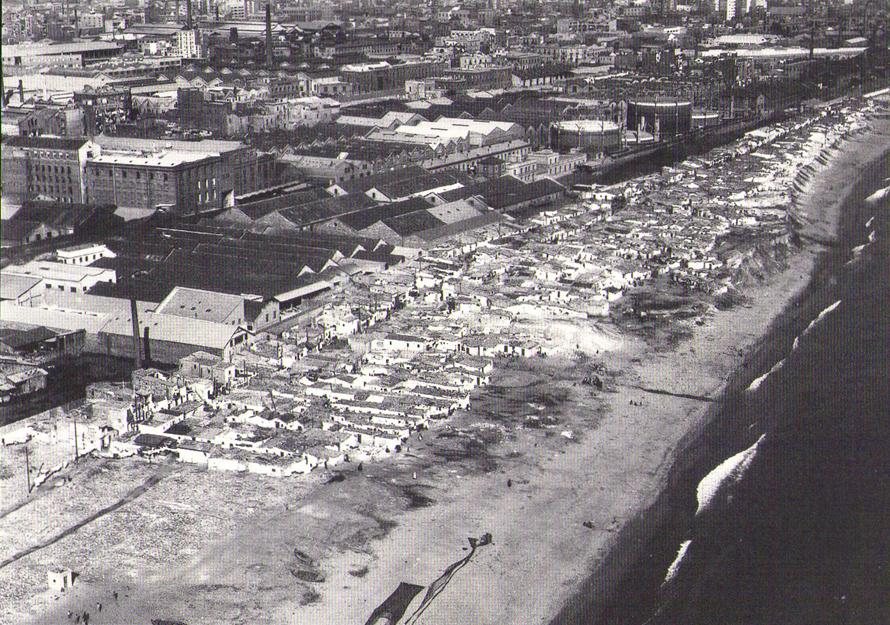
Barcelona was opened to the sea with the construction of the Olympic Village and Olympic Port in Poblenou, a run down, post-industrial neighbourhood. Various new centres were created, and modern sports facilities were built in the Olympic zones of Montjuïc, Diagonal, and Vall d'Hebron. The construction of ring roads around the city helped reduce the density of the traffic, and the El Prat airport was modernised and expanded as two new terminals were opened. New hotels were built and several old ones refurbished.
As well as ensuring the success of the Games, the focus of the regeneration work was on determining where the long-term benefits could be derived from the funds invested. As Ferran Brunet, researcher for the Centre of Olympic Studies explains:
'It is not just about the event itself or the urban investments but also about foreign investment before, during and after the event.'
Miguel Botella points out in his book on the success of the Barcelona Olympics the significant impact that a well-organised, well-resourced and dynamically-led Olympic delivery organisation such as COOB can have on delivering a successful Games. The outputs delivered by COOB that Botella highlights as being of particular significance include:
- harnessing the public by employing over 32,000 dedicated volunteer staff
- having a detailed and tested master plan for delivering the games
- decentralising the operational phase so managers could deal with problems as they arose
- incorporating new technology wherever possible
- working closely with companies in developing sponsorship opportunities
- developing institutional co-operation between all public bodies.
It became clear that a large majority of the journalists had not visited Barcelona before and did not have high expectations of the city. There were therefore surprised by its cultured and cosmopolitan nature and the celebratory atmosphere created by residents – the city itself became the star of the Games. Whilst it could be said that the host city and its culture is the focus of attention at all Olympics, the situation in 1992 was quite unusual: it could be considered that Barcelona itself upstaged Olympic events, but on the other hand the Olympics created modern Barcelona.
The local media, after years of being sceptical as to whether the Games could be staged in the city, also decided to wholeheartedly support the Olympics.
The net result of these factors was that, after the Games, Barcelona was on the tourist map of hundreds of thousands, if not millions, of people around the world who, until then, did not have any idea of its existence. The city was thought of as one of Europe’s ‘best hidden secrets’. It was vibrant and modern with an extraordinary architecture, a high level of gastronomy and beaches accessible by underground. It was considered to be just a matter of time before Barcelona would become an attractive tourist destination and, when it did, everyone concluded that this was solely due to hosting the Olympics.

This sudden downturn in the tourism market led to a process of reflection which proved to be pivotal to the future of the city. Although the first meetings between Barcelona’s City Hall (represented by the Patronat Municipal de Turisme) and the Official Chamber of Commerce, Industry and Navigation (represented by its Tourism Committee), to consider the city’s future as a tourist centre were held in 1987, it was not until the end of 1993 that the Turisme de Barcelona consortium was formed. This proved to be a turning point.
Turisme de Barcelona is a combination of public and private sector interests. Its General Council is presided over by the Mayor of Barcelona, while its Executive Committee is headed by the president of the Chamber of Commerce. The organisation aims to bring together all the public and private bodies with an interest in the tourist sector through these two institutions. The new organisation was to play a central role in the future development of the city as a tourist destination.
Prior to its formation, promotion of Barcelona as a tourist destination was undertaken by the Mayor’s office and had been generic and relatively unsuccessful. Under Turisme de Barcelona, with increased industry input, much more sophisticated and targeted marketing activity was introduced. Increased market research was undertaken, specific promotions developed for different market segments and services and facilities were developed that catered for these segments due to the co-ordination between marketing and the industry.
Thanks to its abundant hotel offer, new meeting and conventions facilities were developed for the business market. The city’s true arrival as a major conference destination came in 2004 when the International Congress and Convention Association (ICCA) study found that Barcelona was the world’s leading destination for conferences.

Furthermore, Turisme de Barcelona created specific departments including a department for tour operators that made sure that Barcelona was included in hundreds of tour operator brochures. As a result, Barcelona became one of the main city break destinations in Europe.
An effective press department was also established that has resulted in the continual flow of thousands of journalists through the city – more than 2,000 journalist were hosted in Barcelona last year. This generates thousands of articles in magazines and newspapers all over the word, keeping Barcelona at the forefront of travellers' minds when choosing a destination.
So, was it the Olympics that turned Barcelona into one of the world’s top tourism destinations? Or was it Turisme de Barcelona and budget airlines?
Certainly the 1992 Olympic Games offered Barcelona the opportunity to rediscover itself, draw on its existing resources and create new ones. Important investments in infrastructure suddenly revealed attractive neighbourhoods close to the Mediterranean ocean, which, before the Games, were considered marginal areas. Add to that the historical context, and the stage was set for the Olympics to put Barcelona on the international tourism map forever.
The urban transformation of the city due to 1992 Olympic Games: